
All about Kilimanjaro
- Mount Kilimanjaro
Table Of Contents
Kilimanjaro Overview
About Mount Kilimajaro
Mount Kilimanjaro (5,895 m) is Africa’s highest peak and the world’s tallest free-standing mountain. It requires no technical climbing skills, making it one of the most accessible high-altitude summits for trekkers with good physical and mental preparation. The climb passes through rainforest, moorland, alpine desert, and finally the arctic summit zone.
Why Climb Kilimanjaro
- Machame – most popular, scenic
- Lemosho – best acclimatization, highest success
- Marangu – hut accommodation
- Rongai – quietest, driest
- Northern Circuit – longest, best acclimatization
- Umbwe – steepest and most challenging
Kilimanjaro Safety
Climbing Kilimanjaro is safe when trekkers prepare correctly and climb with experienced, licensed guides. The main challenge is altitude—not technical climbing—and safety revolves around acclimatization, hydration, and monitoring symptoms.
Altitude Safety & AMS Awareness
- Altitude sickness can affect anyone
- Slow ascent is essential
- Proper route length is key (7–9 days recommended)
- Symptoms: headache, nausea, dizziness, loss of appetite
- Severe signs (HAPE/HACE) require immediate descent
Daily Health Monitoring
Guides perform:
- Oxygen saturation checks
- Heart rate monitoring
- Symptom questionnaires
- Visual wellness assessments
Emergency Procedures
- Descent is the primary treatment for altitude sickness
- Rangers available at key points
- Guides trained in wilderness first aid
- Evacuation routes established on all major paths
Evacuation Information
- Stretcher evacuation routes on all trails
- Helicopter evacuation where permitted
- Good travel insurance required for helicopter coverage
Guide & Crew Qualifications
- Licensed by Kilimanjaro National Park Authority
- Wilderness first-aid certified
- High-altitude experience
- Responsible for pacing, safety, and camp management
Weather on Kilimanjaro
Kilimanjaro’s weather changes dramatically with altitude and season. Trekkers experience everything from humid rainforest conditions to arctic summit temperatures.
Climate Zones Explained
- Cultivation Zone (800–1,800 m) – Warm, moderate humidity
- Rainforest (1,800–2,800 m) – Wettest zone, mist, mud
- Heather & Moorland (2,800–4,000 m) – Cool, windy
- Alpine Desert (4,000–5,000 m) – Dry, dusty, strong UV
- Arctic Summit Zone (5,000–5,895 m) – Extreme cold, strong winds
Temperature by Altitude
- Lower slopes: 10–25°C
- Moorland: 2–15°C
- Alpine Desert: -5 to +10°C
- Summit: -10 to -25°C
- Arctic Summit Zone (5,000–5,895 m) – Extreme cold, strong winds
Wind Patterns
- Kusi (June–Oct): SE winds, cool + stable
- Kusi (June–Oct): SE winds, cool + stable
- Kaskazi (Dec–Mar): NE winds, warmer + clear
- Rainy season winds: Moist, cloud-heavy
Rainfall Seasons
- Long rains: March–May
- Short rains: November
- Dry months: January–February, June–October
Daily Weather Patterns
- Morning: clear, bright
- Afternoon: cloud build-up, possible showers
- Night: clear but very cold
Kilimanjaro Weather By Month
| Month | Rainfall (mm) | Humidity | Temp Lower Slopes | Temp at Summit | Wind Pattern | Trail Conditions | Visibility |
|---|---|---|---|---|---|---|---|
| Jan | 60–100 | 60–70% | 15–25°C | -7 to -15°C | Light NE | Dry–mixed | Excellent |
| Feb | 50–90 | 55–65% | 15–26°C | -7 to -15°C | Light NE | Dry–mixed | Excellent |
| Mar | 100–160 | 70–80% | 14–24°C | -10 to -18°C | Variable | Wet, muddy | Moderate–poor |
| Apr | 200–300 | 80–90% | 12–22°C | -10 to -20°C | Weak SE | Very wet | Poor |
| May | 150–250 | 75–85% | 12–21°C | -10 to -18°C | Weak SE | Wet, slippery | Low–moderate |
| Jun | 20–50 | 60–70% | 10–20°C | -8 to -16°C | Strong SE | Dry, firm | Clear |
| Jul | 10–30 | 55–65% | 8–19°C | -8 to -18°C | Strong SE | Dry, dusty | Very clear |
| Aug | 10–30 | 50–60% | 8–20°C | -8 to -18°C | Strong SE | Dry, stable | Very clear |
| Sep | 20–40 | 50–60% | 10–22°C | -8 to -16°C | Light SE | Dry, warm | Excellent |
| Oct | 40–80 | 55–65% | 12–22°C | -8 to -14°C | Variable | Mostly dry | Clear–mixed |
| Nov | 90–150 | 70–80% | 13–23°C | -8 to -15°C | Light NE | Wet forest | Moderate |
| Dec | 70–120 | 65–75% | 14–24°C | -8 to -15°C | Light NE | Mixed | Good–mixed |
When To Climb Kilimanjaro
Best Climbing Months
January, February, July, August, September, October
- Stable weather
- Dry trails
- High summit success
Shoulder Seasons
March (early) & November
- Light rains
- Good for climbers who want fewer crowds
Challenging Rainy Months
April–May
- Heavy rainfall
- Muddy forest
- Snow possible at summit
- Least crowded but not ideal for beginners
Crowds and Success Summary
| Month | Success Rate | Crowds | Comfort Level |
|---|---|---|---|
| Jan–Feb | High | Medium | High |
| Mar | Medium | Low | Medium |
| Apr–May | Low | Very low | Low |
| Jun | High | Medium | High |
| Jul–Sep | Very high | High | Very high |
| Oct | High | Medium | High |
| Nov | Medium | Low | Medium |
| Dec | Medium | Medium | Medium |
Kilimanjaro Fitness
Why Fitness Matters
Good fitness improves comfort, reduces injury risk, and increases summit success. Altitude affects everyone, but stronger trekkers acclimatize more easily.
Fitness Requirements
- Cardiovascular Endurance: hiking, running, cycling
- Strength: squats, lunges, step-ups, deadlifts
- Core Strength: planks, sit-ups, stability work
- Flexibility: stretching, yoga
- Stamina: long hikes + back-to-back training days
8–12 Week Training Plan
- Weeks 1–4: base cardio + strength
- Weeks 4–8: increase elevation & hike duration
- Weeks 8–12: heavy hikes, back-to-back days, weighted pack
- Final week: taper + rest
Mental Preparation
- Prepare for long summit night
- Weather discomfort
- Fatigue and altitude stress
- Importance of positive mindset
Kilimanjaro Gear Guide
Basic Equipment
Your porters carry your main duffel (up to 15kg). You carry only your daypack.
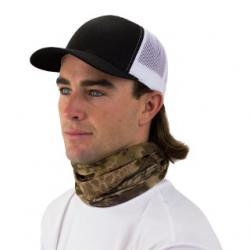
Neck gaiter or bandana 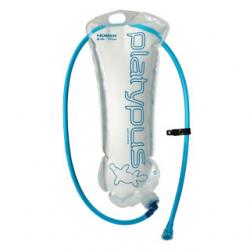
Water: 3L capacity 
Trekking poles 
4-season sleeping bag (-20°C) 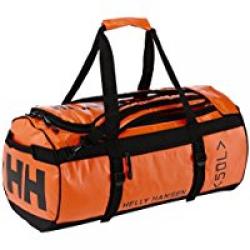
Waterproof duffel bag (80–90L) 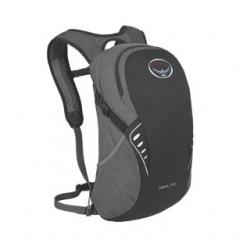
Daypack (30–40L)
Hands & Feet

Heavy insulated gloves 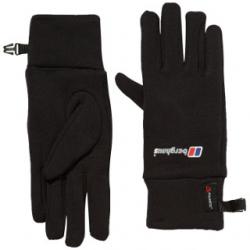
Lightweight gloves 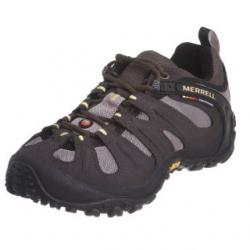
Camp shoes 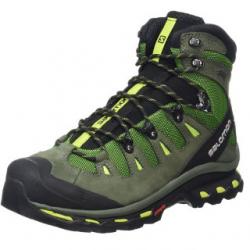
Trekking boots with ankle support 
Outer socks (3–4 pairs) 
Gaiters
Upper Body Clothing
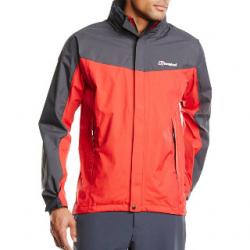
Hard-shell waterproof windproof jacket 
Insulated down/primaloft jacket 
Fleece or soft shell jacket 
2 × long-sleeve trekking shirts 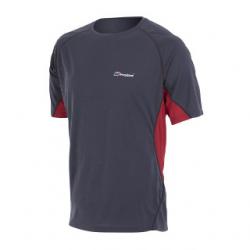
2 × short-sleeve moisture-wicking shirts 
Thermal base layer (merino)
Lower Body Clothing

Hard-shell waterproof trousers 
Trekking trousers 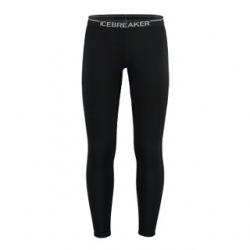
Thermal leggings
Other Essentials
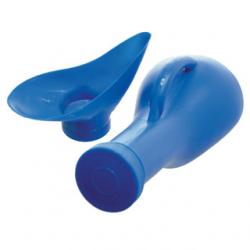
Pee bottle (optional) 
Hand sanitizer + wet wipes 
Ear plugs 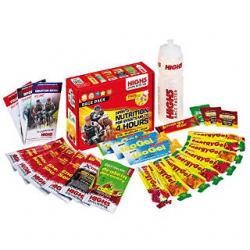
Personal snacks (nuts, bars, dried fruit, electrolytes) 
Toiletries 
High-SPF sunscreen + lip balm 
Camera + spare batteries 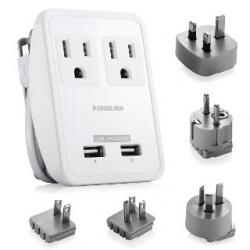
Plug adapter (Type D/G)